Review3 min readDated by the event covered
Samsung 9100 PRO vs WD Black SN8100: PCIe 5.0 in a NAND squeeze
The two leading consumer PCIe 5.0 SSDs match on endurance and warranty and differ little in speed. Prices, not specifications, decided the year: both cost far more than at launch.
InTechnologies
ssd · nand · samsung · storage
The two drives that define the consumer PCIe 5.0 class in 2026 are Samsung’s 9100 PRO and WD’s Black SN8100. On paper they are close. TechRepublic’s comparison, with prices checked on 8 October 2026, lists the SN8100 at up to 14,900 MB/s sequential read and 14,000 MB/s write against 14,800 and 13,400 MB/s for the 9100 PRO. Endurance is identical per capacity: 600 TBW at 1TB, 1,200 TBW at 2TB and 2,400 TBW at 4TB, each with a five-year limited warranty, and the 9100 PRO adds an 8TB model rated at 4,800 TBW that WD does not match. Samsung’s datasheet specifies that the warranty runs to the stated period or the TBW figure, whichever comes first.
Price is where they differ, and where the year’s story lies. TechRepublic’s October check put the 2TB 9100 PRO at 399.99 dollars and the 2TB SN8100 at 419 dollars. In January HWBusters reported the Samsung 990 PRO 1TB up 83% in a few months and quoted Kioxia’s Shunsuke Nakato saying this year’s production volume is already sold out and that the days of cheap 1TB SSDs for around 45 dollars are over. In August DropReference recorded the 9100 PRO 1TB at 225 euros and the 990 PRO 1TB at 202 euros, and relayed Phison chief executive Pua Khein-Seng’s view that NAND production will not catch up with demand for a while, which that article reads as lasting towards 2030.
What the numbers mean in practice
The performance gap between the two drives is small in everyday use; both are limited by the host more than by the controller. Three points should decide a purchase:
- Capacity per slot: the 9100 PRO is the mainstream Gen5 drive available at 8TB, which matters in workstations with only two M.2 slots.
- Thermal headroom: both are sold bare and with heatsinks, and Gen5 controllers need airflow or a motherboard heatsink to hold rated speeds.
- Platform: a PCIe 5.0 drive in a PCIe 4.0 slot runs at Gen4 rates, so a 990 PRO or SN850X class drive is the rational choice for older boards.
TrendForce’s contract-price series, as cited by DropReference, shows NAND up 33% to 38% in 1Q26 and 70% to 75% in 2Q26, with a 10% to 15% rise forecast for 3Q26. The slowdown reflects buyers reaching the limit of what they can absorb rather than new supply; DropReference’s conclusion is that waiting for a decrease in 2027 is a bet that no available data supports.
What it means for buyers
For workstation fleets, standardise on one drive family and capacity (2TB or 4TB) and order the quantity for the year in one or two tranches rather than monthly, since retail prices have moved by tens of percent within a quarter. Specify the exact SKU including the heatsink variant, and ask the supplier to confirm whether stock is retail-boxed or OEM tray, because warranty handling differs. Keep a PCIe 4.0 option on the approved list for machines that cannot use Gen5. InTechnologies stocks the Samsung 990 PRO 4TB and WD Black SN850X 4TB and can quote the 9100 PRO and SN8100 on request.
Sources
- 01Samsung 9100 Pro vs WD Black SN8100: Which Is Better?2026-10-08
- 02SSD Prices May Not Come Down for Years2026-01-26
- 03SSD: prices will rise until 2030, warns Phison’s CEO2026-08-17
Related in the catalog
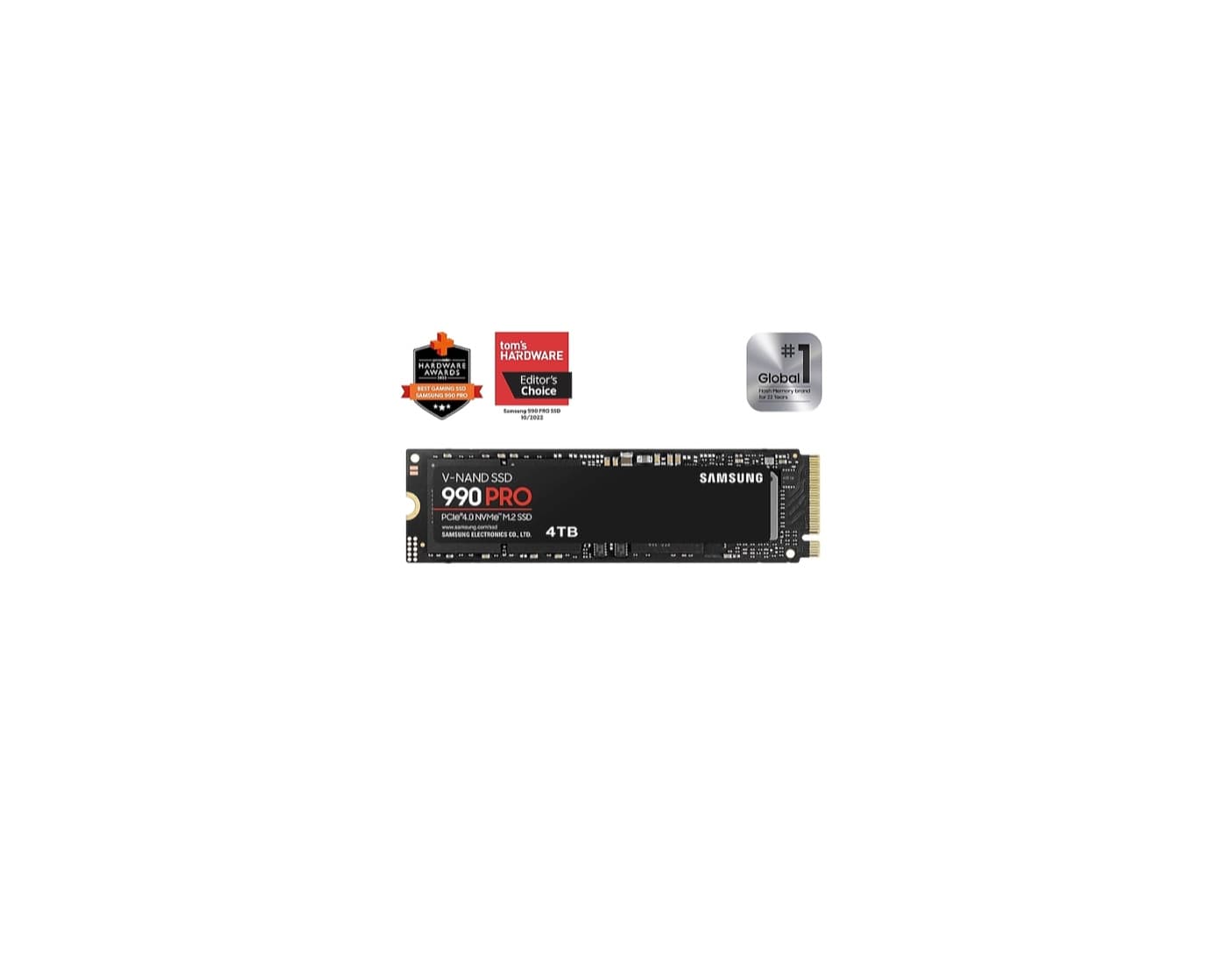
Samsung 990 PRO 4TB M.2 NVMe SSD
Retail PCIe 4.0 flagship with 7,450 MB/s read and 2,400 TBW for workstations and resellers
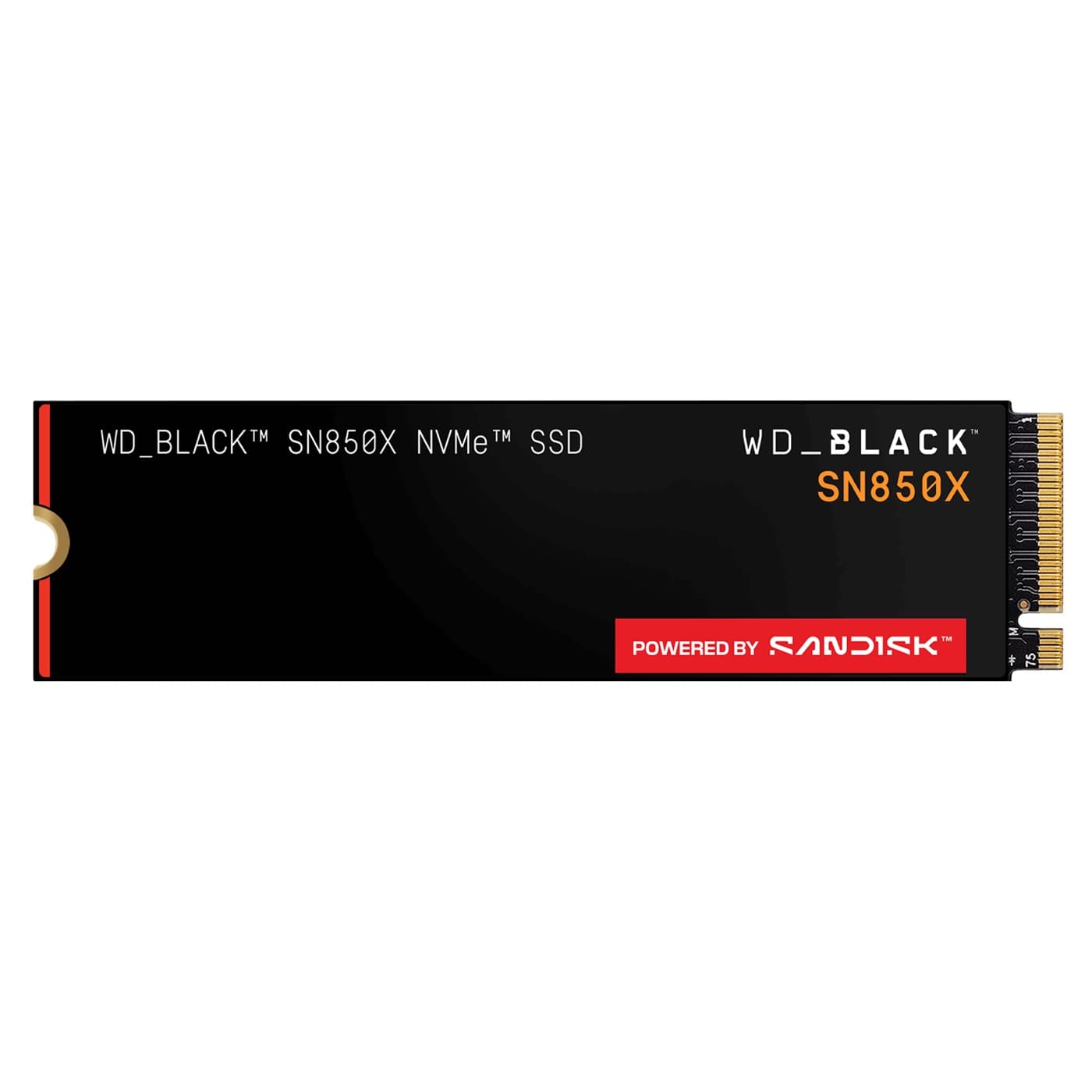
WD_BLACK SN850X 4TB M.2 NVMe SSD
PCIe 4.0 gaming SSD with 7,300 MB/s read, 2,400 TBW and a five-year warranty