评测阅读约 3 分钟按所涉事件日期标注
Pulled RDIMMs and CPUs: how the secondary market behaved in 2026
Used DDR4 server memory rose 30 to 50% as new DDR5 RDIMMs tripled in price. How refurbishers test and warrant pulled modules, and the checks to insist on before buying.
提供英文和俄文版本。
InTechnologies
refurbished · memory · ddr5 · supply-chain
The memory shortage has done something unusual to the secondary market for server parts: used DDR4 has gone up in price. PC Server and Parts, a US refurbisher, reported on 16 June that refurbished DDR4 RDIMMs were 30% to 50% above their late-2025 lows, listing 32GB modules at roughly 160 to 235 dollars and a 16x32GB set for a 512GB host at 2,500 to 3,800 dollars, against 6,400 to 8,000 dollars for the equivalent in new DDR5. It cited Counterpoint figures, via Network World, of a 64GB DDR5 RDIMM moving from about 255 dollars in 3Q25 to 450 dollars in 4Q25 and past 900 dollars in 1Q26.
The spot market tells the same story from the chip side. TrendForce’s weekly note on 19 August put the mainstream DDR4 8Gb chip at 42.90 dollars, up slightly on the week, with buyers and sellers unable to agree and transaction volumes expected to stay low through the third quarter. Servnet, a UK refurbisher, reported in July that new OEM server lead times had stretched to four to eight weeks or more as vendors ration memory, while certified refurbished stock was generally available ex-stock; it quoted a server-grade 64GB DDR5 RDIMM at about 873 dollars in 1Q26 and about 1,350 dollars by June.
How to buy pulled parts safely
Pulled modules are a legitimate supply route when the supplier’s process is visible. The refurbishers’ own descriptions and Hanbing Global’s buyer’s guide of 24 June converge on the same checks:
- Identity: read the SPD with CPU-Z or decode-dimms and confirm manufacturer, capacity, speed and manufacturing date match the label; any discrepancy is a serious red flag.
- Testing: ask for evidence of extended memory diagnostics or burn-in per module, not per batch, and for the test log tied to the serial number.
- Matching: buy complete, identical sets per CPU bank, matched on speed, rank and chip organisation (x4 or x8), and never mix RDIMM and LRDIMM.
- Platform limits: do not pay for DDR4-3200 on hosts that run at 2666 or 2933, and update BIOS before installing unfamiliar high-capacity modules.
- Warranty: insist on a written term covering DOA replacement with a defined turnaround, and on a return policy.
For pulled CPUs the same logic applies: confirm that the model and stepping reported by the operating system match the lid marking, because remarked engineering samples are a long-standing problem on marketplaces, and buy from a supplier who will take the part back if it fails validation. Servnet’s checklist also asks suppliers for their grading standard, SMART data on any drives and firmware support status.
What it means for buyers
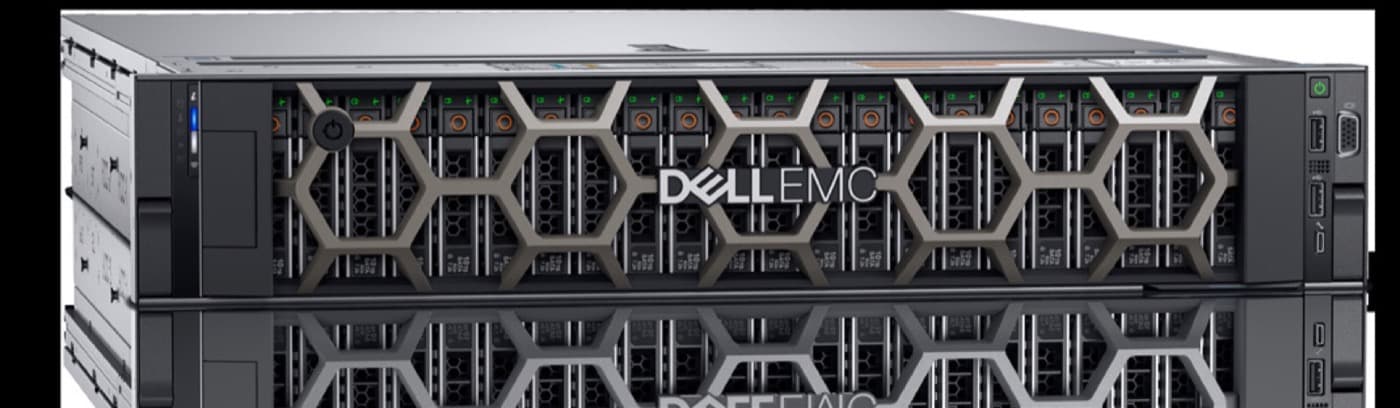
Refurbished DDR4 and prior-generation servers such as the PowerEdge R740xd and ProLiant DL380 Gen10 are the fastest way to add capacity for standard workloads in 2026, and the price gap to new DDR5 platforms is wide. Buy the full matched kit at once, because matching modules may be unavailable later, and reserve DDR5 purchases for bandwidth-bound work or platform standardisation. Secondary DDR5 supply is thin because those fleets are still young, so do not plan around it yet. InTechnologies offers tested refurbished Dell and HPE servers with warranty alongside new RDIMMs.
来源
- 01Refurbished DDR4 Server Memory: The 2026 RAM Price Fix2026-06-16
- 02How to Verify DRAM and SSD Products Are Genuine New Stock: A Complete Buyer’s Guide2026-06-24
- 03Refurbished Servers vs New: How DRAM Flipped the 2026 Maths2026-07-16
- 04[Insights] Memory Spot Price Update: 3Q DRAM Spot Volumes Seen Staying Low; DDR4 Prices Up 0.67% This Week2026-08-19
目录中的相关产品
HPE ProLiant DL380 Gen10 翻新 2U 服务器
主流 2U HPE 服务器,搭载 Xeon 可扩展处理器、最多 30 个 SFF 硬盘位和 Smart Array P408i-a