新闻阅读约 3 分钟按所涉事件日期标注
Counterfeit SSDs and grey-market drives: how vendor checks work
A near-perfect fake Samsung 990 Pro surfaced in 2026. What Samsung Magician, CrystalDiskInfo, Kingston’s label features and Seagate’s warranty checker can and cannot confirm.
提供英文和俄文版本。
InTechnologies
ssd · memory · samsung · seagate · supply-chain
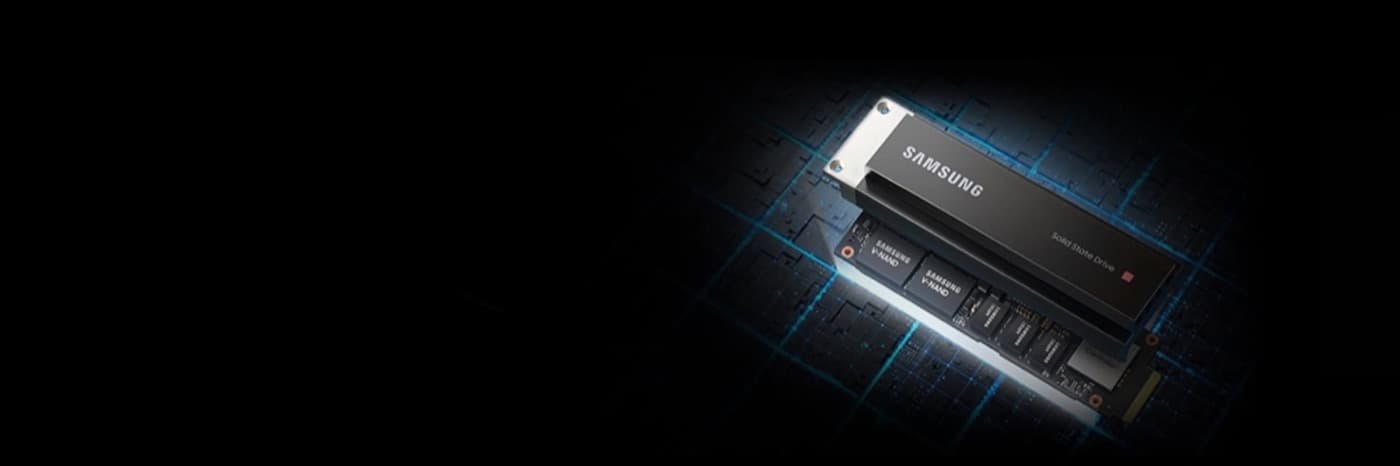
On 31 March 2026 heise reported, citing the Japanese outlet PC Watch, a counterfeit Samsung 990 Pro whose box, manual and stickers closely matched the original. Only the circuit board gave it away: a Maxio MAP1602 controller in place of Samsung’s own, and no DRAM cache. In CrystalDiskMark it read at about 7.3 GB/s against 7.5 GB/s for a genuine drive, but once its SLC cache filled, write speed fell to around 100 MB/s, and copying a video of nearly 400GB took more than 25 minutes, against under four minutes on a real 990 Pro. PC Watch suspected cheaper QLC flash, which makes endurance the main concern, and heise noted that a buyer without a manufacturer warranty is in a weak position if problems arise. igor’sLAB, reviewing the coverage in May, named the 980 Pro, 990 Pro and 990 Evo Plus as frequently counterfeited and linked the pressure to AI-driven demand for storage.
What the verification tools check
Samsung Magician is the authoritative check for Samsung client SSDs. In the PC Watch test it identified the fake as a 990 Pro but displayed ‘Non-Samsung’ next to the product name instead of ‘Samsung Authenticated’, and the diagnostic scan was unavailable. On 18 May the developer of the free CrystalDiskInfo announced version 9.9.0, which appends ‘[FAKE]’ to the model name of suspect Samsung drives; according to igor’sLAB, ComputerBase’s reading of the source code suggests the check uses the firmware version and device ID. igor’sLAB stresses that this is not a full manufacturer verification and not a scanner for other brands, and that benchmarks alone cannot reliably expose a clone.
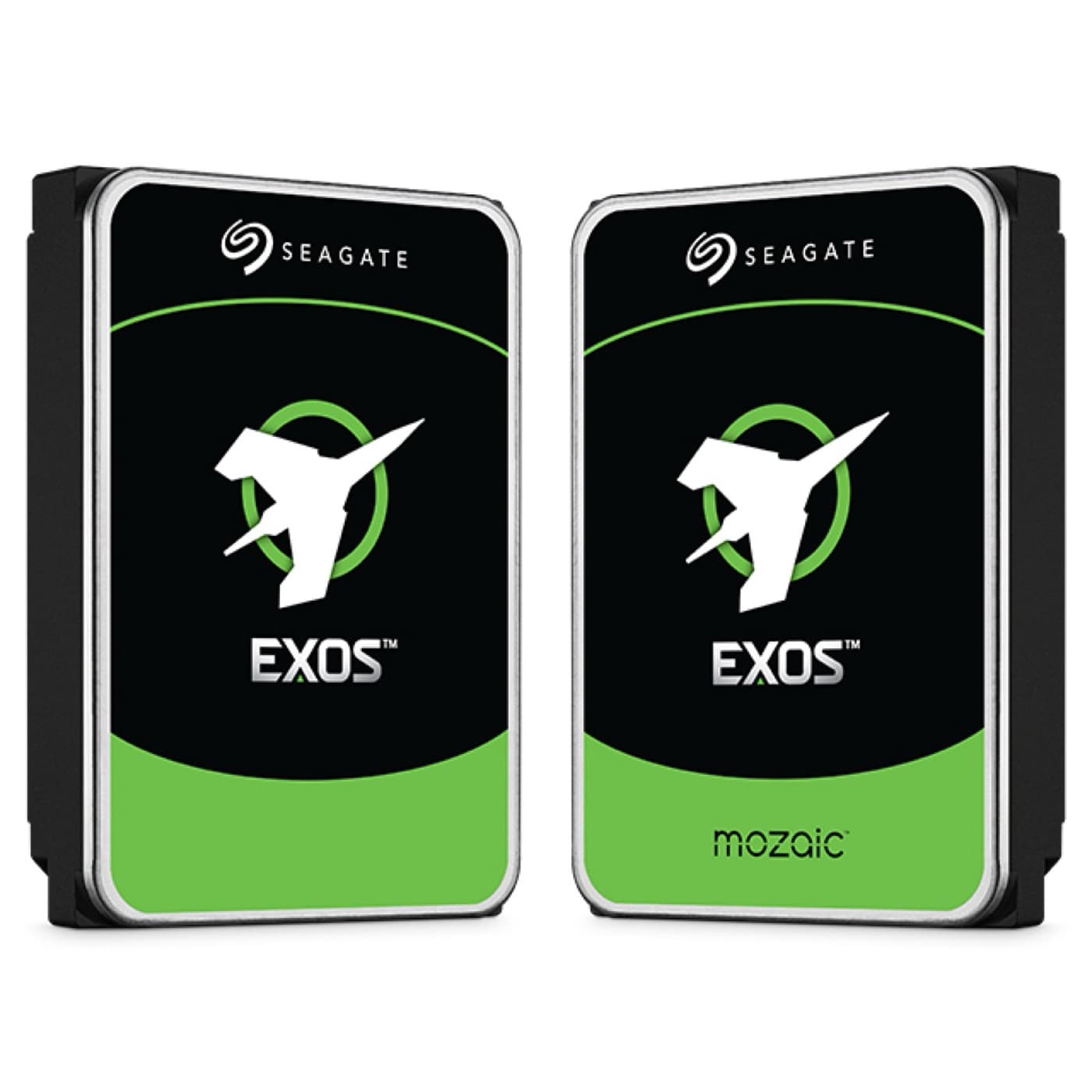
Kingston’s product verification page does not describe a serial-number lookup. It lists label security features used on its products, including Phantom Technology and colour-shift printing whose colours change at different angles, and states that buying from authorised distributors and resellers helps ensure authenticity. Seagate’s approach is a warranty checker that takes the drive’s serial number, which lets a buyer confirm that the seller’s description matches the drive’s actual status. Seagate’s guidance on the second-hand market adds that grey-market drives, new units sold outside their intended region, are not eligible for warranty or returns outside that region; that drives bought by OEMs for system integration carry no Seagate warranty; and that recertified drives carry a green-bordered label, with ‘recertified’ and the serial number also etched on the drive.
What it means for buyers
None of these tools replaces a traceable supply chain; they confirm identity and warranty status after the fact. For SSDs, memory and hard drives, ask the supplier to state whether stock is channel, OEM or recertified, and in which region it was first sold, because each affects the warranty. Record serial numbers against the invoice and check them on receipt, while the return window is open: Samsung Magician for Samsung client SSDs, Seagate’s warranty checker for Seagate drives, and the label features for Kingston products. Treat a price well below the market, a missing invoice or a refusal to share serial numbers before shipment as reasons to stop.
来源
- 01Fake Samsung SSD shows: SSD fakes are becoming more sophisticated2026-03-31
- 02CrystalDiskInfo 9.9.0 detects counterfeit Samsung SSDs: When diagnostic tools suddenly have to do detective work2026-05-25
- 03Identifying Genuine Kingston Product2026-02-07
- 04The second-hand hard drive market: What you need to know and how to spot a counterfeit product2025-02-21
目录中的相关产品