뉴스2분 소요다루는 사건 기준 날짜
HBM4 enters mass production at all three DRAM makers
Samsung, Micron and SK hynix all moved HBM4 into volume during 2026. The stacks use the same advanced DRAM wafers as server DDR5, which is why RDIMM allocations are not loosening.
영어와 러시아어로 제공됩니다.
InTechnologies
hbm · memory · samsung · sk-hynix
Samsung said on 12 February 2026 that it had begun mass production of HBM4 and shipped what it describes as the industry’s first commercial HBM4 to customers. The company quotes a pin speed of 11.7 Gbps, with headroom to 13 Gbps, and says the stacks are built on its 1c DRAM process with a 4nm logic base die. The announcement followed reports that Samsung had passed Nvidia’s qualification for the Vera Rubin platform, whose per-pin requirement had been raised above 11 Gbps.
Micron followed on 16 March at Nvidia’s GTC, confirming that its 36GB 12-high HBM4 entered volume shipment in the first quarter of 2026 for Vera Rubin accelerators, at more than 11 Gb/s per pin and over 2.8 TB/s of bandwidth per stack, and that 48GB 16-high samples had gone to customers. SK hynix, the largest HBM supplier, told analysts on its second-quarter earnings call on 29 July that it began mass production and supply of HBM4 for key customers in the second quarter, with yield and quality approaching the mature levels of the previous generation, and that HBM4E remains on schedule for full-scale production in 2027.
Why this matters for DDR5 buyers
HBM4 is built from the same advanced DRAM dies, on the same wafer lines, as the DDR5 that goes into server RDIMMs. TrendForce’s 29 September assessment is that HBM and conventional DRAM remain in competition for limited advanced-process and wafer capacity, that the HBM market stays supply-constrained through 2027, and that the blended HBM average selling price will rise 121% next year as HBM4 takes a larger share of the mix. With HBM4 priced at that level, suppliers have every incentive to keep wafers on HBM rather than return them to commodity DDR5.
Three consequences follow for the conventional memory market:
- Bits: each HBM4 stack consumes twelve or sixteen DRAM dies, so capacity added for HBM4 in 2026 adds nothing to RDIMM supply.
- Timing: SK hynix said it is steadily ramping HBM4 capacity, and Samsung expects its HBM sales to more than triple in 2026, so the pull on wafers increases rather than eases in the coming quarters.
- Product mix: TrendForce expects accelerator designers to weigh 8-high stacks in 2027 to stretch limited HBM bits further, a signal of how tight supply is expected to remain.
What it means for buyers
For a procurement team in the Gulf or Central Asia, the HBM4 ramp is the reason DDR5 allocations will not loosen in the near term. Plan server memory for 2027 refreshes now, specify DDR5-5600 and DDR5-6400 RDIMM capacities that are in volume production (64GB in particular), and keep purchase orders open for partial deliveries rather than cancelling on a missed date. Ask suppliers which DRAM vendor the modules come from, since allocation differs by brand and by quarter. InTechnologies sources Samsung, SK hynix and Micron RDIMMs and can advise on which capacities are currently moving.
출처
- 01Samsung Ships Industry-First Commercial HBM4 With Superior Performance for AI Computing2026-02-12
- 02Micron announces production ramp for HBM4, 192GB SOCAMM2 and 9650 Gen 6 SSD2026-03-17
- 03[Conference Call] SK hynix: HBM4 Mass Production Yield and Quality Approaching Maturity2026-07-29
- 04HBM Supply Constraints Persist, 2027 Price Outlook Revised Upward with Blended ASP Forecast to Rise 121% YoY, Says TrendForce2026-09-29
카탈로그의 관련 제품
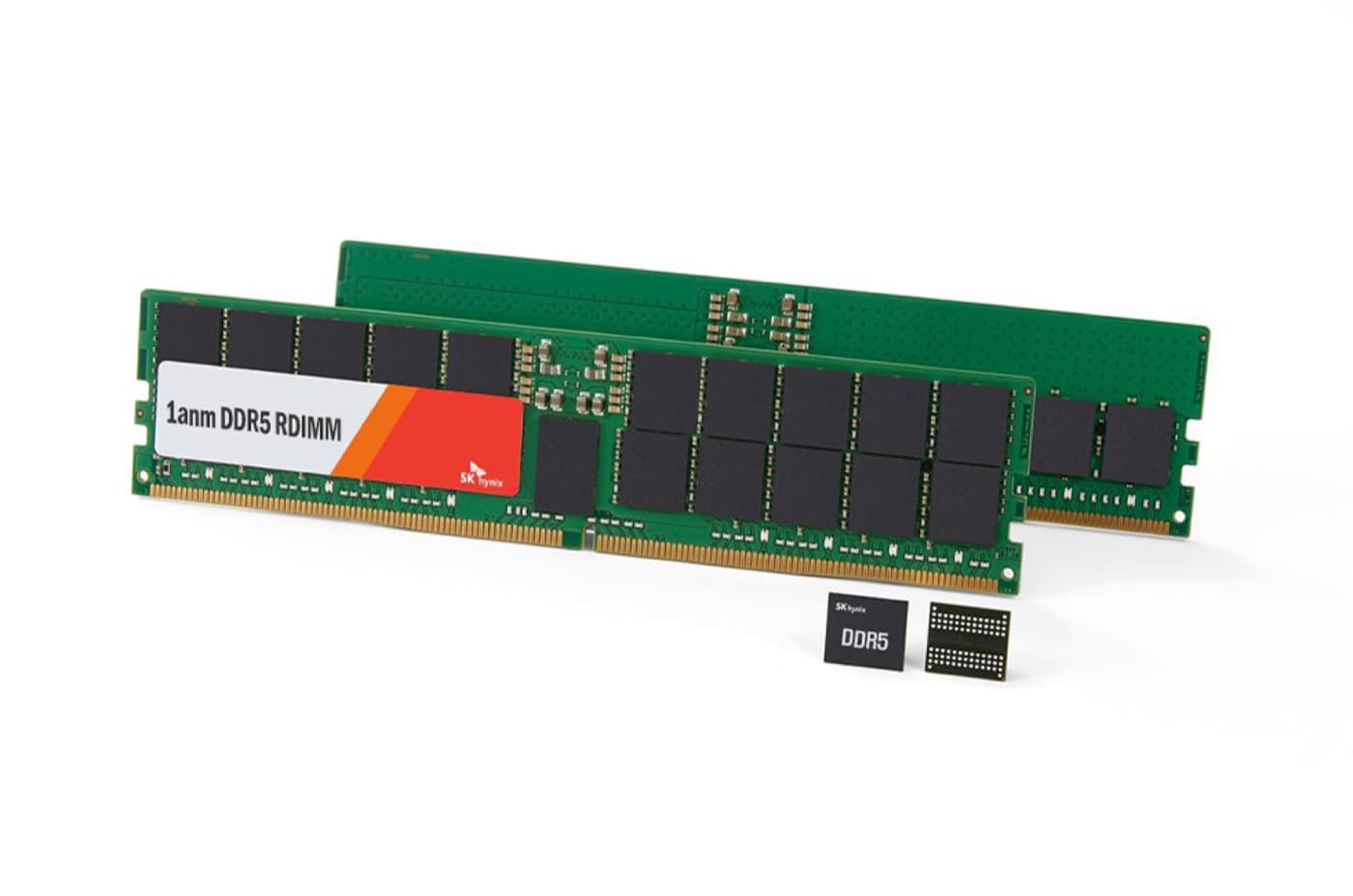
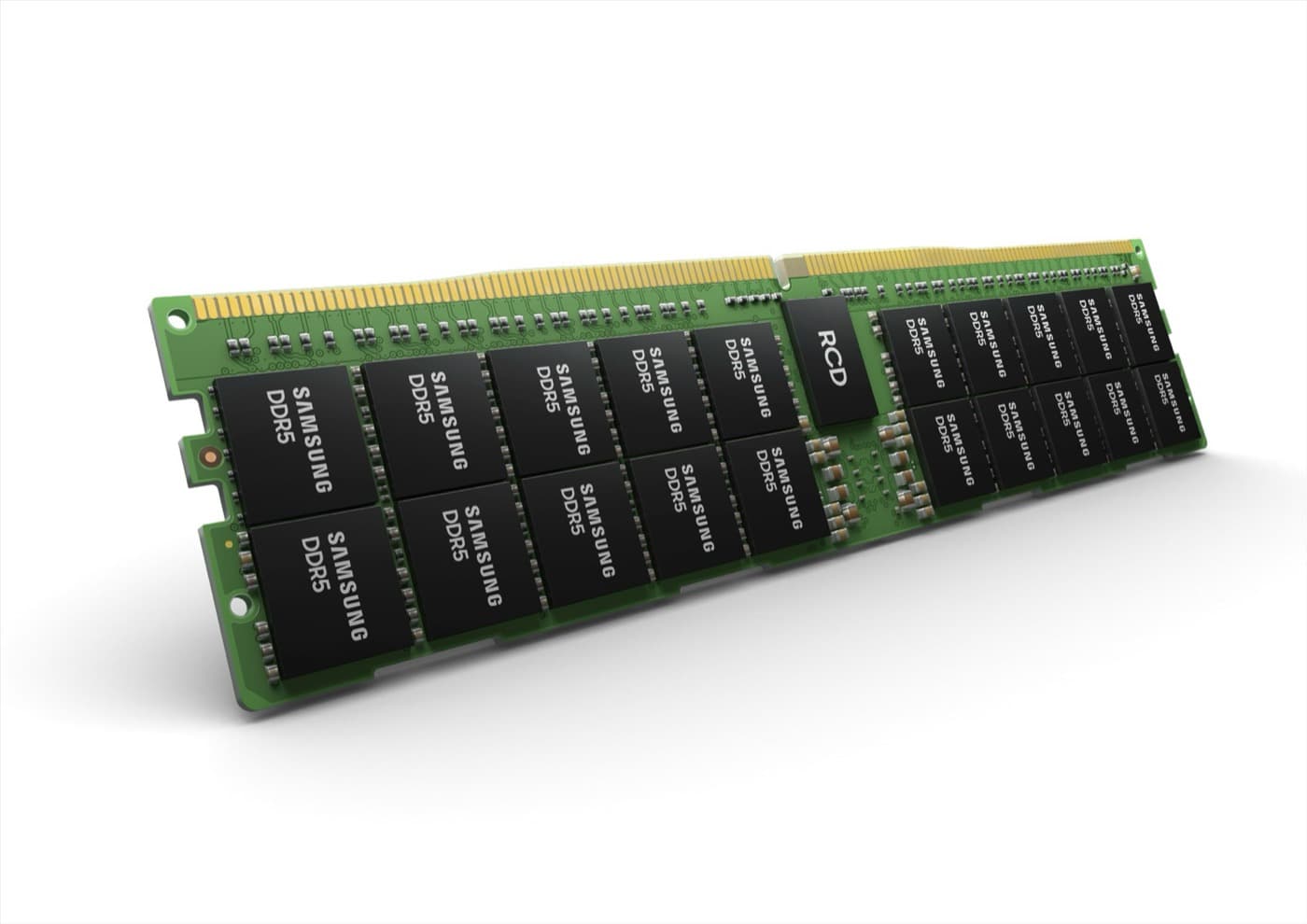
Samsung 128GB DDR5-5600 ECC RDIMM (2Rx4, 32Gb)
인메모리 데이터베이스와 고밀도 가상화를 위한 32 Gb 다이 기반 듀얼 랭크 128 GB DDR5-5600 모듈